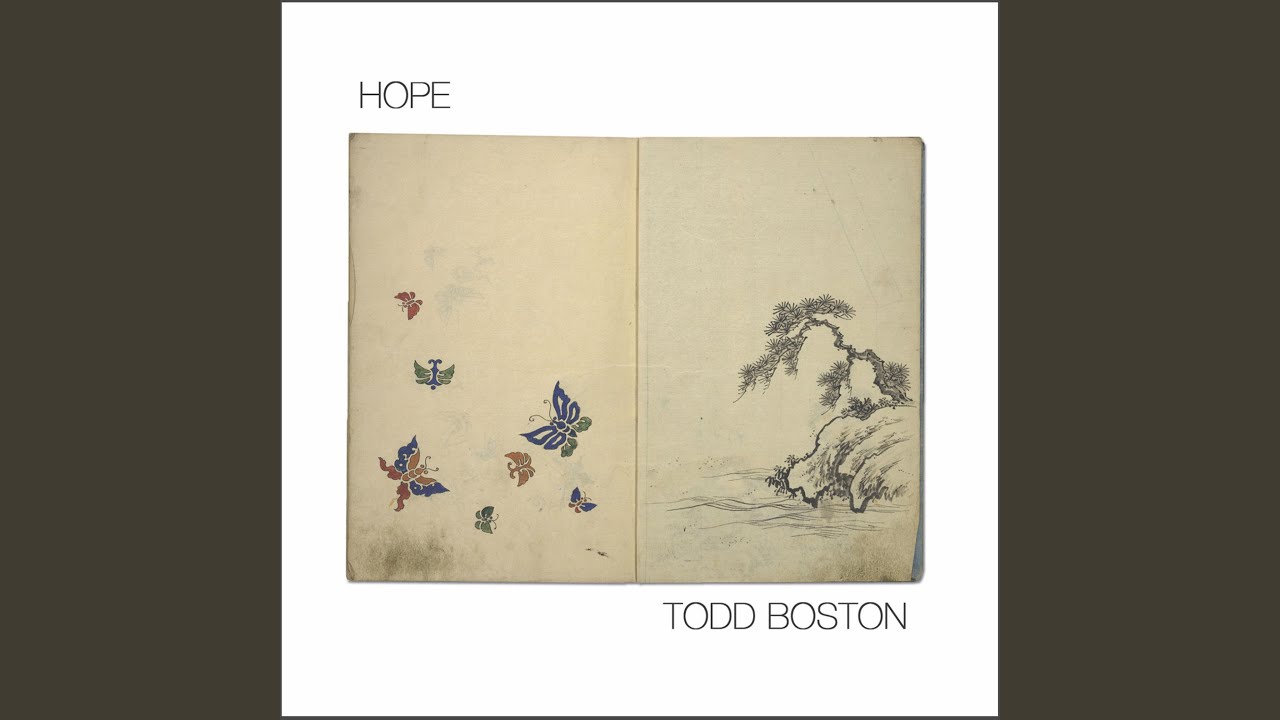
"Twilight" is an acoustic composition by Todd Boston, released as part of the Putumayo Presents Acoustic Yoga collection in 2016. The piece exemplifies how acoustic instrumentation—without vocal layers or percussive density—can support yoga practice, meditation, and contemplative movement by creating a sonic container that holds attention without distraction.
What is acoustic yoga music?
Acoustic yoga music occupies a specific niche within the broader category of mindfulness and meditation soundscapes. Unlike electronic ambient music or nature recordings, acoustic yoga music relies on traditional instruments played live or recorded with acoustic fidelity—guitars, strings, percussion, wind instruments—to create a human-centered sonic environment.
This approach has several practical advantages for yoga practitioners. The organic quality of acoustic sound carries harmonic complexity that digital synthesis sometimes lacks. When you listen to a well-recorded acoustic guitar or string arrangement, your nervous system registers the subtle variations in tone, the slight inconsistencies of a human performer, the resonance of wood and air. These qualities can actually facilitate deeper relaxation precisely because they feel less artificial than perfectly quantized electronic tones.
How does "Twilight" function as yoga accompaniment?
The title "Twilight" itself signals the piece's intended use: it evokes the in-between hours when day transitions to night, when the external world slows, and the internal landscape becomes more accessible. For yoga practitioners, this twilight state—neither fully alert nor fully asleep—is where much of the practice's benefit resides. Whether you are holding a forward fold, moving through vinyasa, or settling into savasana (final resting pose), having music that mirrors this threshold state removes the mental overhead of searching for an appropriate soundtrack.
Acoustic composition in this context serves as what some yoga teachers call a "technology of the body"—a support system that allows practitioners to drop more quickly into embodied awareness. Rather than requiring active listening or engagement with complex musical narratives, the piece can recede into the background while still anchoring the practice's pacing and emotional tone.
The Putumayo Presents Acoustic Yoga context
Todd Boston's "Twilight" appears on the Putumayo Presents Acoustic Yoga collection, released in 2016. Putumayo World Music has built its catalog on the principle that music from many traditions and regions can serve contemporary wellness and spiritual practices. This album specifically curates acoustic pieces that complement the modern yoga experience—which, for many practitioners in the West, centers on asana (posture) and pranayama (breath work) rather than yoga's traditional philosophical underpinnings.
The compilation model signals an important shift in how meditation and yoga music is produced and distributed. Rather than a single artist creating an hour-long piece, Putumayo assembles multiple acoustic artists into a cohesive program. This approach acknowledges that different practitioners may connect with different sonic colors, timbres, and moods—and that variation within a coherent aesthetic framework serves the practice better than monotony.
Why acoustic over electronic for yoga practice?
The choice to focus on acoustic instruments rather than ambient electronic production reflects a philosophy about what supports contemplative states. Electronic music, particularly minimalist ambient work, can be excellent for certain meditation practices. However, acoustic instrumentation offers something distinct: a kind of transparency. When you hear an acoustic guitar, you know what you are hearing—an actual instrument played by an actual person. There is no ambiguity about the sound source, which can paradoxically make it easier for the mind to stop analyzing and simply receive.
Additionally, acoustic music typically carries more dynamic range than highly compressed electronic music. The soft passages are genuinely soft, the sustained notes have genuine decay and overtone complexity. This natural dynamic envelope mirrors the rhythm of breath and body movement, making the music feel less like a separate layer and more like an extension of the practitioner's own physicality.
How to integrate twilight soundscapes into your practice
If you are considering using acoustic yoga music like "Twilight" in your practice, several approaches work well depending on your focus:
- Opening practice: Use the piece during the opening minutes of your session, before you transition into specific asanas. This helps establish a slower nervous system baseline and sets the emotional tone for what follows.
- Flow practice: Play it during slower, more deliberate movement sequences where pacing is naturally meditative rather than vigorous.
- Closing and savasana: The "twilight" quality makes this piece particularly suitable for the final relaxation pose, where the between-states quality of the music mirrors the between-states of the body at rest but still held by conscious awareness.
- Non-yoga meditation: Many people use yoga music for seated meditation, journaling, or gentle stretching outside of formal asana practice. Acoustic pieces work equally well in these contexts.
- Ambient background: Some practitioners prefer music that genuinely fades into the background. Acoustic yoga compositions can serve this purpose if played at low volume during the latter half of practice.
The role of music in embodied spiritual practice
Yoga philosophy teaches that sound (nada) is not separate from consciousness itself. In this view, music is not merely decorative or mood-setting—it is a direct technology for altering perception. Todd Boston's contribution to the Putumayo collection represents a modern interpretation of this principle: acoustic music as a bridge between the ordinary thinking mind and the deeper awareness accessible through embodied practice.
The five-minute duration of "Twilight" also deserves attention. In an era of hour-long playlists and infinite streaming, a deliberately short piece invites a different relationship to listening. It can be returned to, repeated, layered with other compositions, or used as a single anchor point in a longer practice session. This modularity respects the reality that not all practitioners have the same amount of time or the same listening preferences.
Where to go from here
If "Twilight" resonates with your practice, several directions are worth exploring. Listen to the full Putumayo Presents Acoustic Yoga album to discover which other artists and compositions align with your sensibility. Experiment with the piece in different parts of your practice to notice whether it serves opening, flow, or closing most effectively for you. Consider how acoustic music in general affects your capacity to stay present compared to electronic or silence-only practice. If you are a yoga teacher, test whether your students' practice deepens or shifts when you offer acoustic accompaniment versus no music. Finally, notice whether the "twilight" quality—that in-between state—has a particular draw for you; this awareness itself can deepen your understanding of which times of day and which types of practice you naturally gravitate toward.