EveryEvent Prague

Alle Events durchsuchen

Find every event in Prague

events

Concerts & Live Music
Festivals
Sports & Recreation
Food & Drink
Arts & Culture
Community
Family & Kids
Nightlife
Comedy
Theater
Beliebte Reiseziele
BaliSedonaLos AngelesCosta RicaNew YorkSan FranciscoAustinMiamiJoshua TreeTulum
Alle Kategorien anzeigenAlle Reiseziele anzeigen

Alle Funktionen entdecken

Leistungsstarke Tools für Ihre Veranstaltungen

Plattform-Funktionen

Intelligente dynamische Preisgestaltung
Ticket-Kategorien
Sitzplatzreservierung
Warenkorbabbruch-Wiederherstellung
Besucher-Wiedergewinnung
Spenden & Staffelpreise
Affiliate-System
Ticket-Scanner
Rabattcodes
Individuelle Fragen
Ticket-Teilen
Upsells & Add-ons
Analysen & Berichte
E-Mail-Sequenzen
Warteliste / Benachrichtigen / Erinnern
Entdecken
Discovery HubArtists & PerformersVenuesKnowledge Base
Alle Funktionen anzeigenÜber uns
PreiseBlog
Saved events
Alle Veranstaltungen durchsuchen

events

Concerts & Live MusicFestivalsSports & RecreationFood & DrinkArts & CultureCommunityFamily & KidsNightlife

Beliebte Reiseziele

BaliSedonaLos AngelesCosta RicaNew YorkSan Francisco

Entdecken

Discovery HubArtists & PerformersVenuesKnowledge Base

Plattform-Funktionen

Intelligente dynamische PreisgestaltungTicket-KategorienSitzplatzreservierungWarenkorbabbruch-WiederherstellungBesucher-WiedergewinnungSpenden & StaffelpreiseAffiliate-SystemTicket-ScannerRabattcodesIndividuelle FragenTicket-TeilenUpsells & Add-onsAnalysen & BerichteE-Mail-SequenzenWarteliste / Benachrichtigen / Erinnern
Alle Funktionen anzeigenÜber uns
PreiseBlog
AnmeldenRegistrierenVeranstalter
  • Browse All Events
  • Concerts & Live Music
  • Festivals
  • Sports & Recreation
  • Food & Drink
  • Arts & Culture
  • Community
  • Family & Kids
  • Nightlife
  • Alle Kategorien →
  • All Destinations →
  • For Promoters
  • For Artists
  • For Venues
  • For Festivals
  • For Event Spaces
  • For Nonprofits
  • For Bloggers
  • For Speakers
  • Brand Ambassador
  • Case Studies
  • 350.000+ Käufernetzwerk
  • Warenkorbabbruch-Wiederherstellung
  • Intelligente dynamische Preisgestaltung
  • Ticket-Kategorien
  • Wiederkehrende Veranstaltungen
  • Sitzplatzreservierung
  • Affiliate-System
  • Warteliste / Benachrichtigen
  • Ticket-Scanner
  • Einbettungs-Widget
  • Event Syndication
  • Message Center
  • Integrations
  • Reports
  • Alle Funktionen →
  • Über uns
  • The Ecosystem
  • Blog
  • Glossar
  • Inspiration
  • Hilfe-Center
  • Kontakt
  • API-Dokumentation
  • Marken-Assets
  • Karriere
  • Presse
  • Nutzungsbedingungen
  • Datenschutzrichtlinie

Events

  • Browse All Events
  • Concerts & Live Music
  • Festivals
  • Sports & Recreation
  • Food & Drink
  • Arts & Culture
  • Community
  • Family & Kids
  • Nightlife
  • Alle Kategorien →

Getaways

  • All Destinations →

For Organizers

  • For Promoters
  • For Artists
  • For Venues
  • For Festivals
  • For Event Spaces
  • For Nonprofits
  • For Bloggers
  • For Speakers
  • Brand Ambassador
  • Case Studies

Funktionen

  • 350.000+ Käufernetzwerk
  • Warenkorbabbruch-Wiederherstellung
  • Intelligente dynamische Preisgestaltung
  • Ticket-Kategorien
  • Wiederkehrende Veranstaltungen
  • Sitzplatzreservierung
  • Affiliate-System
  • Warteliste / Benachrichtigen
  • Ticket-Scanner
  • Einbettungs-Widget
  • Event Syndication
  • Message Center
  • Integrations
  • Reports
  • Alle Funktionen →

Unternehmen

  • Über uns
  • The Ecosystem
  • Blog
  • Glossar
  • Inspiration
  • Hilfe-Center
  • Kontakt
  • API-Dokumentation
  • Marken-Assets
  • Karriere
  • Presse
  • Nutzungsbedingungen
  • Datenschutzrichtlinie
EveryEvent
© 2026 EveryEvent Prague. Alle Rechte vorbehalten.
Inspire

Breath-Centered Calm: How to AnchorAwareness and Steady the Mind

Jack Kornfield
Jack Kornfield
Sep 26, 2020
8 min read
Watch · 8

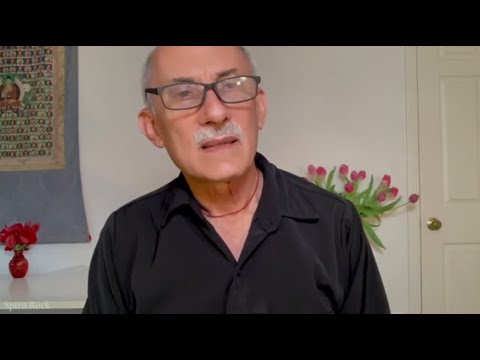
This 24-minute guided meditation teaches practitioners to establish calm and ease by anchoring attention to the sensations of natural breathing, then expanding that gentle, loving awareness to acknowledge and release thoughts, emotions, and sensations as they arise. The practice models a Buddhist approach to meditation that begins with stabilizing the mind through breath focus, then transitions into vipassana (insight practice) where you observe the full spectrum of human experience—fear, joy, planning, sadness—without struggling against it. The core insight is that awareness itself remains spacious and kind even as experiences rise and fall.

Read · 6 sections

Why Breath Is the Most Reliable Anchor for a Wandering Mind

The meditation opens with an invitation to find a comfortable, grounded posture. Kornfield emphasizes establishing literal and energetic roots: "feel the pull of gravity that connection of the buttocks and the legs and the feet the chair or the floor into the earth below and imagine your feel or sense that you have roots like a great tree like a redwood energetic roots that go down from your body into the earth strong supportive roots" (175–202s). This embodied grounding matters because it locates the practice in the body before the mind begins to wander.

The breath then becomes the primary object of attention. Rather than forcing the breath or controlling it, Kornfield guides practitioners to notice where they feel it most naturally: "notice where you feel it most directly coolness in the nostrils swirling tingling in the back of the throat or perhaps the rise and fall of chest or belly" (261–273s). The specificity here is practical—if you cannot feel the breath in the nostrils, the belly is an equally valid anchor. Some practitioners benefit from placing a hand on the belly to feel the rise and fall directly (520–527s).

What makes the breath a superior anchor compared to, say, a mantra or visualization, is its continuous availability and its tie to the nervous system. Each breath is fresh; you cannot memorize it or phone it in. This freshness keeps attention genuinely present rather than drifting into automatic recitation.

How to Invite Calm Without Forcing It

A subtle but essential instruction comes early: "with each breath invite a quality of calm or ease you can even say it as a whisper in the mind breathing in and out calm ease" (317–325s). Notice the word invite—not command. The breath itself, when given gentle attention, naturally produces a settling effect. The verbal cue ("calm," "ease") acts as a soft suggestion, not a demand.

Kornfield also places calm within a larger context: "you are establishing yourself in loving awareness the loving witness of the breathing the movement of the body" (484–497s). The loving awareness is not a separate achievement; it is the natural byproduct of attending to something—breath, sensations—with kind attention. Calm emerges not from strain but from surrender to what is already happening.

The nervous system responds to this approach because it signals safety. A clenched jaw, tight shoulders, and shallow breathing all reinforce a stress response. By consciously releasing tension in the face and shoulders early in the practice (112–159s), you send the vagus nerve a signal that the threat level is low, allowing the parasympathetic nervous system to engage. The breath mirrors this: as the body settles, breathing naturally becomes slower and softer without conscious effort.

What Happens When Your Attention Wanders (And Why That's Not Failure)

The meditation does not assume your mind will stay on the breath. Instead, it acknowledges that attention will wander and provides a clear protocol: "when the attention wanders quite gently and kindly" (366–374s) you simply notice you have wandered and return. This is not a correction or a problem—it is the practice itself.

The instruction becomes more sophisticated in the second half. After establishing some steadiness with the breath, Kornfield opens the field of awareness to include all arising experience: "now to vipassana or to the loving awareness practice of whatever arises" (808–817s). This is a deliberate shift from concentration practice (shamatha) to insight practice (vipassana). The breath remains the baseline, but now emotions, thoughts, and sensations become objects of mindful attention rather than distractions to be pushed away.

When a strong experience pulls attention away—sadness, joy, planning, longing—the instruction is to "name where you've gone name the wave of experience that has pulled your attention to it thinking planning sad sad remembering remembering excitement excitement or pleasure or painful sensations in your body" (899–946s). The act of naming transforms the experience. Instead of being lost in thought, you create distance: you observe "thinking" rather than being entirely consumed by it.

Kornfield's language here is crucial: "as if to bow to it" (946–954s). There is no contempt for the mind's wandering, no judgment. The bowing gesture is one of respect and acknowledgment. This stance prevents what practitioners sometimes call "spiritual bypassing"—the attempt to transcend emotion or difficulty by denying it. Instead, the meditation asks you to feel the full humanity of your experience.

How Naming Allows Experience to Dissolve Naturally

One of the most useful insights in this practice is that "doesn't last that long the thoughts or memories will dissolve emotion when acknowledged will rise like a wave or a time and pass away" (965–981s). This is not metaphorical. When you name an emotion or thought with steady, kind attention, its grip loosens. A grief that seemed permanent when you were completely identified with it becomes a wave that has a beginning, a middle, and an end.

The mechanism here is attention itself. Consciousness, when turned toward an experience with interest rather than resistance, naturally changes the experience. This is not suppression; it is the opposite. By fully acknowledging what is present—"sad," "longing," "fear"—you allow it to complete its arc and pass.

This pattern repeats throughout the meditation: you establish calm with the breath, a strong experience arises, you name it with loving awareness, it dissolves or integrates, and you return to the breath. Over time, practitioners recognize that "you are the loving awareness itself spacious and kind witnessing the breath and witnessing all of the human experiences that rise and fall around this ever-changing breath" (1210–1225s). The Self is not the content of experience (the thought, the emotion); it is the vast awareness in which all content appears and disappears.

Why This Practice Works in the Midst of Life

Kornfield frames the meditation within real life: "just here and now this evening in the midst of everything going on in your life in the world you take your seat halfway between heaven and earth" (46–52s). The phrase "halfway between heaven and earth" suggests a balance—neither lost in distraction nor trying to escape to some spiritual bypass realm, but present in the actual, embodied moment.

The teaching on interconnection adds another layer: "we are exchanging air this biosphere with all of life and our body is doing it as we breathe calm ease and as you feel each breath receiving it with a mindful kind attention" (382–405s). The breath is not just your personal oxygen exchange; it connects you to the forests, the oceans, the creatures, and all people. This recontextualizes breath practice from individual ego-maintenance to participation in a living whole.

In this framework, calm is not a retreat from the world's difficulty; it is a return to steady awareness in the midst of it. "You sit like the buddha that you are calm and steady in the midst of all things" (1066–1081s). This phrasing is important: you do not become a Buddha. You sit as the Buddha you already are—recognizing that the capacity for steadiness and kindness is intrinsic to awareness itself.

Where to Go From Here

This practice is foundational and can be used daily or whenever you need to reset your nervous system and reconnect with clear awareness. The progression Kornfield offers—from breath stabilization to emotional acknowledgment to resting as awareness itself—maps onto traditional Buddhist training while remaining accessible to complete beginners. If you find the practice helpful, you might explore longer sitting sessions (30 or 45 minutes) to allow deeper settling, or you might bring the same quality of gentle, loving attention to daily activities like walking, eating, or listening to others. The core skill—naming experience without identifying with it, and returning to your anchor—applies everywhere. For those interested in deepening further, Jack Kornfield's work on Insight Meditation and the integration of Buddhist psychology with modern contemplative science offers rich terrain for continued study.
Event Dashboard
Live
$12.4K
Revenue
234
Tickets
89%
Sold
Weekly Performance↑ 23%
Cart Recovery
23 recovered
Instant Pay
No waiting
AI Insights Available
Get personalized growth tips
Try the Demo →

No signup required · Instant access

For Teachers & Guides

Be the Change.Keep the Change!

List your classes, workshops, and trainings with zero platform fees on Seva — and a free teacher profile in the directory. Keep every dollar you earn.

$0
Platform Fee
0%
Per Ticket
Unlimited
Tickets
Free
Profile
List Your Class FreeCreate Your Teacher Profile

Transcript

[0:00] let's begin with a

[0:03] meditation practice 20 minutes or so

[0:08] please find a way wherever you are

[0:11] hopefully not driving

[0:13] where you can sit comfortably feel your

[0:16] feet on the floor

[0:18] and your self in a chair or on a cushion

[0:21] or whatever way allows you to settle on

[0:23] this earth

[0:26] and when you can establish a sense of

[0:30] groundedness in your posture in your

[0:33] body

[0:35] allow your eyes to close gently

[0:41] and first take a couple of deeper

[0:44] breaths

[0:46] just here and now this evening in the

[0:48] midst of everything going on in your

[0:51] life

[0:52] in the world you take your seat halfway

[0:55] between heaven and earth

[0:58] and take a few deep breaths and go yes

[1:02] here i am present and alive

[1:16] then begin to notice as you bring your

[1:19] attention here

[1:21] into the present moment

[1:26] notice if there's areas of tension

[1:29] or tightness in your body that you can

[1:33] easily release

[1:35] and do so let the eyes and face be soft

[1:44] loosen the jaw

[1:52] roll your head in a circle to release

[1:55] your neck and let it find a

[1:57] simple upright

[2:07] that your shoulders relax

[2:10] and your hands and arms rest easily

[2:21] let the belly be soft

[2:24] from the breath natural

[2:32] and let the heart be soft as well

[2:36] to receive whatever arises

[2:39] with kindness with a spirit of

[2:41] tenderness or compassion

[2:51] notice the weight of your body

[2:55] feel the pull of gravity that

[2:59] connection of the buttocks and the legs

[3:02] and the feet

[3:04] the chair or the floor into the earth

[3:06] below

[3:10] and imagine your feel or sense

[3:14] that you have roots like a great tree

[3:17] like a redwood

[3:20] energetic roots that go down from your

[3:22] body

[3:24] into the earth

[3:28] strong supportive roots

[3:39] you've taken your seat on this earth

[3:45] present awake

[3:50] kind

[3:59] and now with this embodied presence

[4:04] let yourself begin to notice how the

[4:07] body breathes itself

[4:13] you don't have to do anything with the

[4:15] breath or change it

[4:17] but notice where you feel it

[4:21] most directly coolness in the nostrils

[4:27] swirling tingling in the back of the

[4:29] throat

[4:33] or perhaps the rise and fall of chest

[4:37] or belly

[4:42] and rest your attention to begin with

[4:46] feeling this life breath breathing you

[5:08] and with each breath invite a quality of

[5:12] calm or ease

[5:17] you can even say it as a whisper in the

[5:19] mind

[5:20] breathing in and out calm

[5:25] ease and with that invitation

[5:30] let the breath lead you to a deeper

[5:32] sense of presence and calm

[6:06] return to the breath when the attention

[6:08] wanders

[6:10] quite gently and kindly

[6:14] the breath is so mysterious it is that

[6:17] the universe breathing you and with each

[6:21] in-breath

[6:22] you breathe the winds that carried

[6:24] themselves across

[6:25] oceans and mountains and plains

[6:30] through the lungs of the creatures of

[6:33] the forests and the waters and the

[6:35] people around

[6:36] we are exchanging air

[6:40] this biosphere with all of life and our

[6:43] body is doing it

[6:45] as we breathe

[7:04] calm

[7:15] ease

[7:47] and as you feel each breath

[7:55] receiving it with a mindful

[8:00] kind attention

[8:04] sense that you are establishing yourself

[8:08] in loving awareness

[8:13] the loving witness of the breathing

[8:17] the movement of the body

[8:36] and if you have difficulty sensing the

[8:38] breath

[8:40] place one hand on your belly

[8:43] and feel the belly rise and fall in the

[8:46] palm of your hand

[8:47] just leave it there for the meditation

[8:52] the gentle rise and fall calm

[8:58] and ease each breath

[9:58] and when the attention wanders

[10:03] as soon as you notice

[10:07] with the same loving awareness

[10:10] acknowledge and gently return

[10:14] to this breath

[10:24] breathing in calm

[10:33] reading out with ease

[12:42] and as you gradually

[12:45] and gently let the mind settle

[12:51] and the attention and breath

[12:55] breath by breath bring a sense of steady

[12:59] calm

[13:05] and ease

[13:19] let us now open the field

[13:23] of mindful loving awareness

[13:28] from the practice of attending to the

[13:31] breath

[13:33] now to vipassana or to the

[13:37] loving awareness practice

[13:41] of whatever arises

[13:50] as you feel each breath

[14:02] gently steady the attention

[14:12] after three breaths or ten breaths

[14:16] or however long the attention will be

[14:20] pulled away by a

[14:22] different experience

[14:25] it might be feelings sad or upset

[14:29] or longing or love

[14:32] joy

[14:35] it might be thoughts planning

[14:38] remembering imagining

[14:42] or sounds

[14:45] or strong sensations

[14:51] when you notice that the attention has

[14:54] left the breath

[14:56] instead of struggling against it as soon

[14:59] as you notice or wake up

[15:00] however long it's been

[15:03] as if to bow to it name

[15:07] where you've gone name the wave of

[15:10] experience

[15:11] that has pulled your attention to it

[15:18] thinking planning

[15:23] sad sad

[15:26] remembering remembering

[15:30] excitement excitement

[15:36] or pleasure or painful sensations in

[15:39] your body

[15:46] and whatever you acknowledge as if with

[15:49] a bowel

[15:52] you receive with the same loving

[15:54] awareness

[15:59] the same kind of tension you give into

[16:02] the breath

[16:05] and notice as you name it doesn't last

[16:08] that long

[16:09] the thoughts or memories will dissolve

[16:13] emotion when acknowledged will rise like

[16:16] a wave

[16:18] or a time and pass away

[16:21] and when these experiences have

[16:23] dissolved

[16:25] or when you are at ease with them

[16:31] then return back to the breath for a

[16:33] time

[16:35] calm and ease

[17:46] you sit like the buddha that you are

[17:51] calm and steady in the midst of all

[17:59] things

[18:01] noticing the breath with loving

[18:03] awareness

[18:11] and then when strong experiences pull

[18:13] you away

[18:17] noticing the human experiences

[18:21] all the human experiences that arise

[18:23] around the breath

[18:27] the longing the love

[18:30] the sadness or fear

[18:35] the excitement the planning

[18:40] can you name them gently as if to bow

[18:46] and they rise and pass

[18:51] and then again you return back to the

[18:55] breath

[18:58] calm and steady

[20:10] you are the loving awareness itself

[20:15] spacious and kind

[20:21] witnessing the breath and witnessing

[20:25] all of the human experiences that rise

[20:28] and fall

[20:30] around this ever-changing breath

[20:34] and in the midst of it all you are still

[21:15] okay

[23:39] [Music]

[24:00] so thank you

[24:04] thank you for joining together all of us

[24:08] for sitting and establishing a sense of

[24:11] calm

[24:12] steady heart amidst it all

[24:17] it's a wonderful thing to do

[24:20] to be able to remind ourselves that we

[24:22] can

[24:24] connect with the earth and with the

[24:26] timeless loving awareness

[24:28] the presence that calm and steady

[24:45] you

Jack Kornfield
AuthorJack Kornfield

American Buddhist teacher, co-founder of the Insight Meditation Society (1976) and Spirit Rock Meditation Center (1987). Trained as a monk in the Thai Forest tradition, he has been…

View profileWebsite
Explore Topics
Breath-meditationCalm-easeVipassanaMindfulnessEmotional-awareness

Got Questions?

Frequently Asked Questions

You do not need to do anything special with the breath or achieve a particular mental state. If you are sitting comfortably, noticing your breath sensations (whether in the nostrils, throat, chest, or belly), and gently returning attention when it wanders, you are meditating correctly. Kornfield emphasizes that the loving awareness of the breath itself is the practice, not some future state you must reach.
Wandering is not a mistake—it is the practice itself. When you notice your attention has left the breath, simply acknowledge where it went (thinking, sadness, planning) and gently return, with the same kindness you would offer a child. This gentle returning, done repeatedly, is what strengthens awareness and calm.
Yes. If you have difficulty feeling the breath in your nostrils or throat, place one hand on your belly and feel the rise and fall directly. Leave your hand there for the entire meditation. This gives you a tactile anchor that many practitioners find stabilizing.
As you attend to your breath with gentle awareness and release tension in your face, jaw, and shoulders, you signal your nervous system that you are safe. This allows your vagus nerve to activate the parasympathetic ('rest and digest') response. Slower, deeper breathing naturally follows, further reinforcing calm.
Concentration practice (shamatha) focuses on stabilizing the mind on a single object—the breath. Insight practice (vipassana) expands awareness to observe all arising experiences: thoughts, emotions, sensations. This meditation begins with concentration to steady the mind, then opens into insight by naming and observing whatever pulls your attention away.
Naming creates distance and perspective. Instead of being entirely identified with a thought ('I am a failure'), you observe it as an event ('thinking about failure is happening'). This shift in perspective, combined with kind attention, allows the experience to complete its natural arc and dissolve rather than being suppressed or clung to.
Yes. By anchoring attention in the sensations of breathing and grounding yourself in your body, you activate the parasympathetic nervous system and interrupt the anxiety cycle. The practice of naming anxious thoughts and returning to the breath also builds the skill of not being swept away by worry.
This meditation is 24 minutes, which is a good starting length. You can practice it daily, or sit for longer as your capacity grows. Even 10 minutes of daily practice builds steady awareness and calm more effectively than occasional longer sessions.

Continue Reading

More from Jack

View All
Guided Meditation on Loving Awareness and Mindful Stillness
Featured

Guided Meditation on Loving Awareness and Mindful Stillness

A 25-minute guided meditation teaching mindfulness of breath, body sensations, emotions, and thoughts through loving awareness and spacious …

1 min read
The Three Basic Truths: Impermanence, Suffering, and No-Self
Featured

The Three Basic Truths: Impermanence, Suffering, and No-Self

Explore Buddhism's foundational teachings on impermanence, suffering, and no-self as gateways to liberation and freedom from identification.…

1 min read
Taking Life Too Seriously: Why External Fixes Fail
Featured

Taking Life Too Seriously: Why External Fixes Fail

When you treat every problem as something to fix externally, you enter an unwinnable game. Gurmat teaches that inner mental state must come …

1 min read
Self-Grasping and Offering Compassion Through Chanting
Featured

Self-Grasping and Offering Compassion Through Chanting

Krishna Das and Nina Rao explore how chanting and mantra practice dismantle the self-centered mind and cultivate bodhicitta—the intention to…

1 min read

Keep exploring

Continue your journey

More wisdom and gatherings from across the BrightStar directory.

More Articles

Browse the full library of teachings, interviews, and guides.

Back to all articles →

Teachers & Artists

Explore the lineages, musicians, and guides of the conscious world.

Explore artists →

Find an Event

Kirtan, retreats, sound baths, breathwork, festivals — happening soon.

Browse events →