EveryEvent Prague

Ver todos os Events

Find every event in Prague

events

Concerts & Live Music
Festivals
Sports & Recreation
Food & Drink
Arts & Culture
Community
Family & Kids
Nightlife
Comedy
Theater
Destinos populares
BaliSedonaLos AngelesCosta RicaNew YorkSan FranciscoAustinMiamiJoshua TreeTulum
Ver todas as categoriasVer todos os destinos

Explorar todos os recursos

Ferramentas poderosas para expandir seus eventos

Recursos da plataforma

Precificação dinâmica inteligente
Categorias de ingressos
Lugares marcados
Recuperação de carrinho abandonado
Recuperação de visitantes
Doações e preço variável
Sistema de afiliados
Scanner de ingressos
Códigos de desconto
Perguntas personalizadas
Compartilhamento de ingressos
Upsells e complementos
Análises e relatórios
Sequências de e-mail
Lista de espera / Notificar / Lembrar
Explorar
Discovery HubArtists & PerformersVenuesKnowledge Base
Ver todos os recursosSobre nós
PreçosBlog
Saved events
Ver todos os eventos

events

Concerts & Live MusicFestivalsSports & RecreationFood & DrinkArts & CultureCommunityFamily & KidsNightlife

Destinos populares

BaliSedonaLos AngelesCosta RicaNew YorkSan Francisco

Explorar

Discovery HubArtists & PerformersVenuesKnowledge Base

Recursos da plataforma

Precificação dinâmica inteligenteCategorias de ingressosLugares marcadosRecuperação de carrinho abandonadoRecuperação de visitantesDoações e preço variávelSistema de afiliadosScanner de ingressosCódigos de descontoPerguntas personalizadasCompartilhamento de ingressosUpsells e complementosAnálises e relatóriosSequências de e-mailLista de espera / Notificar / Lembrar
Ver todos os recursosSobre nós
PreçosBlog
EntrarCadastrarOrganizadores de eventos
  • Browse All Events
  • Concerts & Live Music
  • Festivals
  • Sports & Recreation
  • Food & Drink
  • Arts & Culture
  • Community
  • Family & Kids
  • Nightlife
  • Todas as categorias →
  • All Destinations →
  • For Promoters
  • For Artists
  • For Venues
  • For Festivals
  • For Event Spaces
  • For Nonprofits
  • For Bloggers
  • For Speakers
  • Brand Ambassador
  • Case Studies
  • Rede de 350K+ compradores
  • Recuperação de carrinho abandonado
  • Precificação dinâmica inteligente
  • Categorias de ingressos
  • Eventos recorrentes
  • Lugares marcados
  • Sistema de afiliados
  • Lista de espera / Notificar
  • Scanner de ingressos
  • Widget incorporável
  • Event Syndication
  • Message Center
  • Integrations
  • Reports
  • Todos os recursos →
  • Sobre
  • The Ecosystem
  • Blog
  • Glossário
  • Inspiration
  • Central de ajuda
  • Contato
  • Documentação da API
  • Recursos da marca
  • Carreiras
  • Imprensa
  • Termos de Serviço
  • Política de Privacidade

Events

  • Browse All Events
  • Concerts & Live Music
  • Festivals
  • Sports & Recreation
  • Food & Drink
  • Arts & Culture
  • Community
  • Family & Kids
  • Nightlife
  • Todas as categorias →

Getaways

  • All Destinations →

For Organizers

  • For Promoters
  • For Artists
  • For Venues
  • For Festivals
  • For Event Spaces
  • For Nonprofits
  • For Bloggers
  • For Speakers
  • Brand Ambassador
  • Case Studies

Recursos

  • Rede de 350K+ compradores
  • Recuperação de carrinho abandonado
  • Precificação dinâmica inteligente
  • Categorias de ingressos
  • Eventos recorrentes
  • Lugares marcados
  • Sistema de afiliados
  • Lista de espera / Notificar
  • Scanner de ingressos
  • Widget incorporável
  • Event Syndication
  • Message Center
  • Integrations
  • Reports
  • Todos os recursos →

Empresa

  • Sobre
  • The Ecosystem
  • Blog
  • Glossário
  • Inspiration
  • Central de ajuda
  • Contato
  • Documentação da API
  • Recursos da marca
  • Carreiras
  • Imprensa
  • Termos de Serviço
  • Política de Privacidade
EveryEvent
© 2026 EveryEvent Prague. Todos os direitos reservados.
Featured

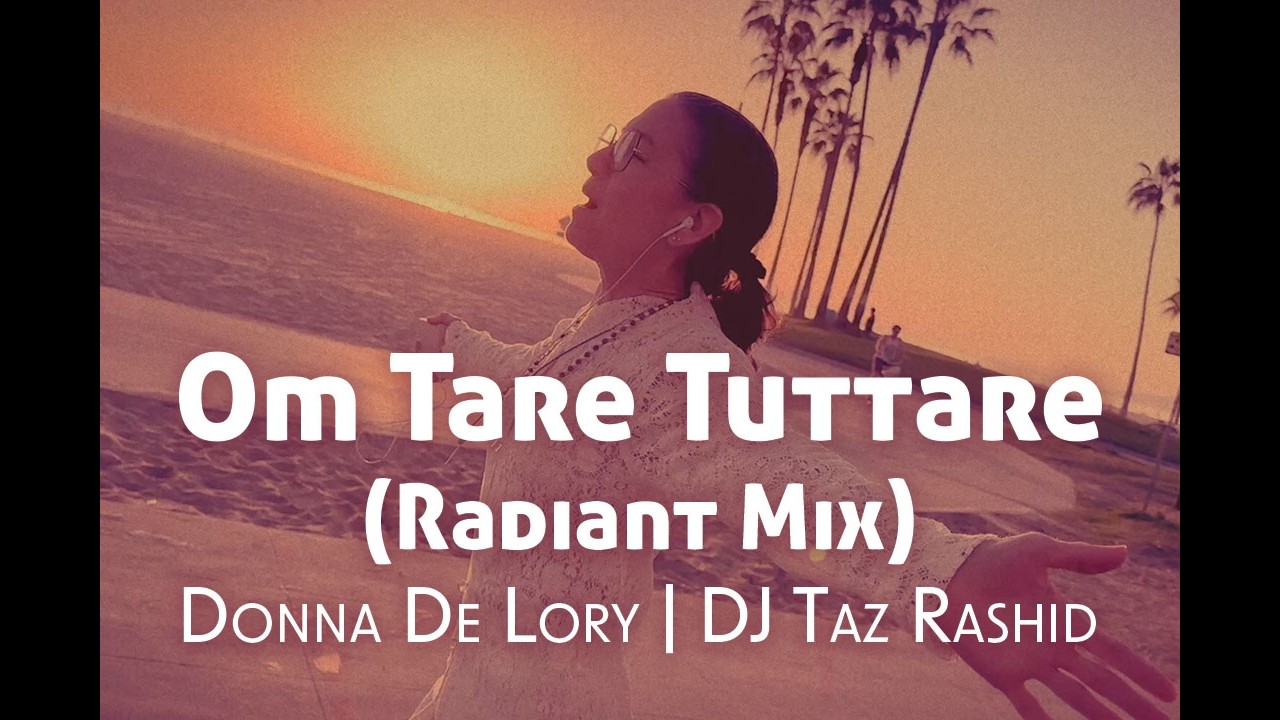
Om Tare Tuttare Mantra: Sound,Compassion, and Sacred Chanting

Donna De Lory
Donna De Lory
Jan 5, 2024
7 min read
Watch · 4

The Om Tare Tuttare mantra is a sacred invocation rooted in Tibetan Buddhist tradition, specifically dedicated to Green Tara, a feminine deity embodying compassion and liberation. When chanted with intention, this mantra works as a sound-based spiritual practice that cultivates inner transformation, emotional healing, and connection to the divine feminine principle. This article explores the mantra's origins, its phonetic and vibrational components, and how contemporary artists like Donna De Lory are revitalizing this ancient practice through modern musical arrangements.

Read · 8 sections

What is the Om Tare Tuttare mantra?

The Om Tare Tuttare mantra is a sacred Sanskrit/Tibetan utterance that forms part of the devotional practice surrounding Green Tara in Tibetan Buddhism. The mantra breaks down into distinct phonetic components, each carrying symbolic and vibrational significance. "Om" serves as the primordial sound, often understood as the vibration underlying all creation. "Tare" invokes the deity Tara herself—whose name means "star" or "she who ferries across"—while "Tuttare" represents a multiplied or intensified form of that invocation, deepening the call for liberation and assistance.

This mantra does not function primarily as a statement to be understood intellectually, but rather as a resonance to be embodied. When practitioners chant Om Tare Tuttare, they engage with layers of meaning that operate simultaneously on the vibrational, emotional, and spiritual planes. The mantra has been transmitted through centuries of Tibetan Buddhist lineages and remains one of the most widely practiced invocations in contemporary spiritual communities.

Why is Green Tara central to this practice?

Green Tara represents a particular form of the enlightened feminine in Tibetan Buddhism—swift, fierce in her compassion, and directly engaged with the liberation of sentient beings. Unlike more distant cosmic figures, Tara is understood as immediately responsive and accessible. According to the tradition, she vowed to remain in female form to serve all beings until samsara (the cycle of suffering) ends. This accessibility makes her a natural focus for mantra practice among people seeking both spiritual development and practical support in their lives.

The color green itself carries significance: it represents the active, dynamic principle of compassion in motion—not passive or withdrawn, but engaged and transformative. When practitioners work with Om Tare Tuttare, they are not simply invoking a distant deity but aligning themselves with an active principle of healing and liberation that exists both externally and within their own consciousness.

How does sound vibration work in mantra practice?

Mantra practice rests on the principle that sound vibrations carry and transmit states of consciousness. Each syllable in Om Tare Tuttare is understood to resonate with specific frequencies and energetic pathways in the body. The chanting itself, whether performed silently (mental recitation) or aloud, is believed to activate these pathways and attune the nervous system to higher frequencies.

Modern practitioners and kirtan artists, including arrangements like Atom Smith's Mantra Flow Remix, have discovered that embedding these sacred sounds in contemporary musical frameworks can deepen engagement and make the practice accessible to listeners unfamiliar with traditional Tibetan chanting styles. The rhythm, instrumentation, and production choices in such remixes are not arbitrary—they are designed to support sustained attention and embodied resonance with the mantra's core frequencies.

What is the role of repetition in mantra meditation?

Repetition forms the spine of mantra practice. By chanting Om Tare Tuttare multiple times in succession, practitioners create a stable field of attention that moves beyond the conceptual mind. This repetition is not mindless—each iteration is an opportunity to deepen focus, refine the quality of sound, and open to the mantra's full resonance. Many traditions recommend specific repetition cycles: 108 repetitions (a sacred number in Hindu and Buddhist traditions), 1,000, or longer sequences for intensive practice.

The repetitive structure also serves a neurological function. As the rational mind releases its grip through sustained, rhythmic vocalization, different brain states become accessible. Many practitioners report that after 20-30 minutes of continuous chanting, a threshold is crossed: the individual self begins to dissolve into the sound itself, and a direct experience of what the mantra represents becomes possible.

How do contemporary artists revitalize traditional mantras?

Artists like Donna De Lory have pioneered a bridge between ancient sacred traditions and modern musical sensibilities. By collaborating with producers like Atom Smith to create remixes, these contemporary kirtan musicians honor the integrity of the mantra itself while making it relevant and accessible to audiences who might never encounter traditional Tibetan Buddhist chanting spaces.

A mantra flow remix typically preserves the core invocation while layering in modern production elements—electronic beats, synthesizers, layered vocals, and dynamic arrangements that sustain interest over an extended listen. This approach does not dilute the practice; rather, it recognizes that spiritual transmission in the 21st century must meet practitioners where they are. Someone encountering Om Tare Tuttare through a Spotify recommendation or YouTube video is not separated from the tradition's power—they are simply entering through a different doorway.

What are the benefits of chanting Om Tare Tuttare?

Practitioners report multiple layers of benefit from consistent engagement with this mantra. At the emotional level, regular chanting often reduces anxiety and promotes a felt sense of protection and support. This is not merely psychological—many traditions understand these effects as real shifts in the energetic body, though contemporary practitioners may describe identical experiences in terms of nervous system regulation and trauma release.

At the spiritual level, Om Tare Tuttare is understood to accelerate the path toward liberation and enlightenment. In Tibetan Buddhist philosophy, repeated invocation of Tara creates a karmic connection that increases the likelihood of meeting this compassionate principle directly in meditation or across lifetimes. Even practitioners approaching the mantra from a secular mindfulness perspective report enhanced clarity, reduced self-centeredness, and increased capacity for compassion toward others and themselves.

The practice also serves a devotional function—it allows practitioners to express and intensify their relationship with something greater than the individual ego. In a culture often dominated by self-improvement and individualism, this radical reorientation toward devotion to something transcendent can be profoundly healing.

How can listeners work with this mantra?

If encountering Om Tare Tuttare for the first time through a musical remix, simply listening with open attention is a valid entry point. You need not understand Sanskrit, Tibetan Buddhism, or have prior meditation experience. Allow the sound to wash over you. Notice what arises—sensations in the body, emotions, shifts in mental clarity.

If called to deeper practice, begin with setting an intention: What would you like to invite into your life? What suffering would you like to release? Hold this gently in mind without grasping. Then begin chanting or listening to the mantra, allowing the repetition to become a container for your intention. If practicing silently, synchronize the mantra with your breath: "Om" on the inhale, "Tare Tuttare" on the exhale, or experiment with pacing that feels natural to your body.

Many practitioners find that 21 minutes per day, even for a short period (21 days to 40 days is a traditional cycle), creates noticeable shifts in consciousness and life circumstances. Others prefer extended listening sessions—one hour, three hours, or longer—particularly if using a musical arrangement that sustains engagement over time.

Where to go from here

If this exploration of Om Tare Tuttare resonates with you, consider exploring the broader context of Tibetan Buddhist devotional practice. Study texts on Green Tara such as "Tara the Liberatrix" or teachings from contemporary Tibetan Buddhist teachers. Listen to recordings from traditional practitioners alongside contemporary artists like Donna De Lory to sense the continuity between ancient practice and modern expression. If possible, find a teacher or community engaged in this practice—kirtan circles, Buddhist sanghas, or meditation groups often include mantra chanting. Finally, trust your direct experience. The mantra will reveal its significance to you through sustained, sincere engagement rather than intellectual understanding alone.
Event Dashboard
Live
$12.4K
Revenue
234
Tickets
89%
Sold
Weekly Performance↑ 23%
Cart Recovery
23 recovered
Instant Pay
No waiting
AI Insights Available
Get personalized growth tips
Try the Demo →

No signup required · Instant access

For Artists & Musicians

Be the Change.Keep the Change!

Sell tickets to your concerts and workshops with zero platform fees on Seva — and a free artist profile beside the names in these pages. Keep every dollar you earn.

$0
Platform Fee
0%
Per Ticket
Unlimited
Tickets
Free
Profile
List Your Show FreeClaim Your Artist Profile

Transcript

[0:05] [Music]

[0:11] [Music]

[0:19] [Music]

[0:28] [Music]

[0:30] time

[0:32] to

[0:37] [Music]

[0:39] to

[0:41] to

[0:44] [Music]

[0:48] to

[0:51] to

[0:53] to

[0:58] so to D

[1:04] [Music]

[1:12] [Applause]

[1:13] [Music]

[1:17] to

[1:19] to

[1:21] to

[1:24] so

[1:26] on

[1:28] to to

[1:31] [Music]

[1:37] [Music]

[1:40] to

[1:45] so

[1:53] to B

[1:56] me oh money B me

[2:02] oh money B

[2:06] may oh

[2:12] [Music]

[2:13] money

[2:16] to

[2:18] today

[2:23] so to die

[2:27] today

[2:29] so

[2:33] [Music]

[2:41] on

[2:44] to

[2:46] to

[2:48] so oh money B

[2:53] man oh

[2:56] [Music]

[2:58] money oh money B

[3:02] me oh myy B

[3:07] me oh money B

[3:12] me oh money B

[3:16] me oh money P

[3:21] me oh

[3:23] [Music]

[3:29] money

[3:33] [Applause]

[3:34] [Music]

[3:42] [Applause]

[3:42] [Music]

[3:46] oh money me money me money me money fit

[3:54] me oh money fit me oh money fit me who

[4:00] oh money me

[4:03] ohy me ohy me oh money

[4:09] me money me money me oh money me

[4:17] ohy me ohy me

[4:22] ohy me oh

[4:25] my oh

[4:27] my oh my

[4:34] [Music]

[4:44] my

[4:53] to

[4:56] to

[4:59] to

[5:01] [Music]

[5:11] oh

Donna De Lory
AuthorDonna De Lory

A multi-talented vocalist and producer who rose to prominence as Madonna's longtime backup singer, now creating spiritually-infused world music that blends pop sensibility with dev…

View profileWebsite
Explore Topics
Om-tare-tuttareMantra-chantingTibetan-buddhismGreen-taraSacred-sound

Got Questions?

Frequently Asked Questions

Om Tare Tuttare is a Sanskrit-Tibetan mantra invoking Green Tara, a compassionate feminine deity in Tibetan Buddhism. Om represents primordial sound, Tare means "star" or "she who ferries across," and Tuttare intensifies that call for liberation. The mantra functions as a sound invocation rather than a sentence with literal translation.
Traditional practice recommends 108 repetitions daily or cycles of 21-40 days for noticeable shifts. Some practitioners engage in extended sessions of one hour or longer. Consistency matters more than duration—even 10-15 minutes daily can produce benefits when sustained over weeks.
While rooted in Tibetan Buddhism, the mantra is now used across contemplative and secular mindfulness communities. Non-Buddhist practitioners work with it for stress reduction, compassion cultivation, and spiritual connection without requiring belief in Buddhist theology.
Yes. Contemporary musical arrangements preserve the mantra's core vibration and intention while making it accessible to modern listeners. Engaging with Om Tare Tuttare through a professionally produced remix can deepen attention and create measurable shifts in consciousness.
Green Tara is a manifestation of enlightened compassion in Tibetan Buddhism, known for swift and direct assistance. She vowed to remain in female form across lifetimes to help all beings. Her association with the color green represents active, engaged compassion rather than passive spirituality.
No. Mantra practice works through vibrational resonance and repeated engagement rather than intellectual comprehension. Chanting or listening with sincere attention activates the practice's effects regardless of language knowledge.

Continue Reading

More from Donna

View All
Om Tare Tuttare Mantra: DJ Taz Rashid's Radiant Remix
Featured

Om Tare Tuttare Mantra: DJ Taz Rashid's Radiant Remix

DJ Taz Rashid remixes the sacred "Om Tare Tuttare" mantra into a contemporary groove that centers spiritual practice within everyday urban l…

1 min read
Om Namah Shivaya & Thy Will Be Done: Sacred Mantra Meditation
Featured

Om Namah Shivaya & Thy Will Be Done: Sacred Mantra Meditation

A meditation mix blending the Sanskrit mantra Om Namah Shivaya with the Christian invocation Thy Will Be Done, featuring kirtan artist Donna…

1 min read
Krishna Das: From NYC to Neem Karoli Baba
Featured

Krishna Das: From NYC to Neem Karoli Baba

A Long Island kid named Jeffrey Kagel found a guru in the foothills of the Himalayas and came home with something no one in American music h…

1 min read
By Thy Grace: Snatam Kaur's Twenty-Five Years of Mantra
Featured

By Thy Grace: Snatam Kaur's Twenty-Five Years of Mantra

From a Colorado birth and a California childhood to a Grammy stage — Snatam Kaur marks 25 years of sacred chant with the By Thy Grace tour, …

1 min read

Keep exploring

Continue your journey

More wisdom and gatherings from across the BrightStar directory.

More Articles

Browse the full library of teachings, interviews, and guides.

Back to all articles →

Teachers & Artists

Explore the lineages, musicians, and guides of the conscious world.

Explore artists →

Find an Event

Kirtan, retreats, sound baths, breathwork, festivals — happening soon.

Browse events →